
Local Insights: What Makes Porto's Historical Sites Unique


Exploring Porto's Rich History
Porto, a coastal city in northwest Portugal, is renowned for its stunning historical sites. As you wander through its cobbled streets, you'll encounter a tapestry of architectural styles that span centuries. From Gothic to Baroque, each era has left a mark, shaping Porto into a city with a unique historical charm.
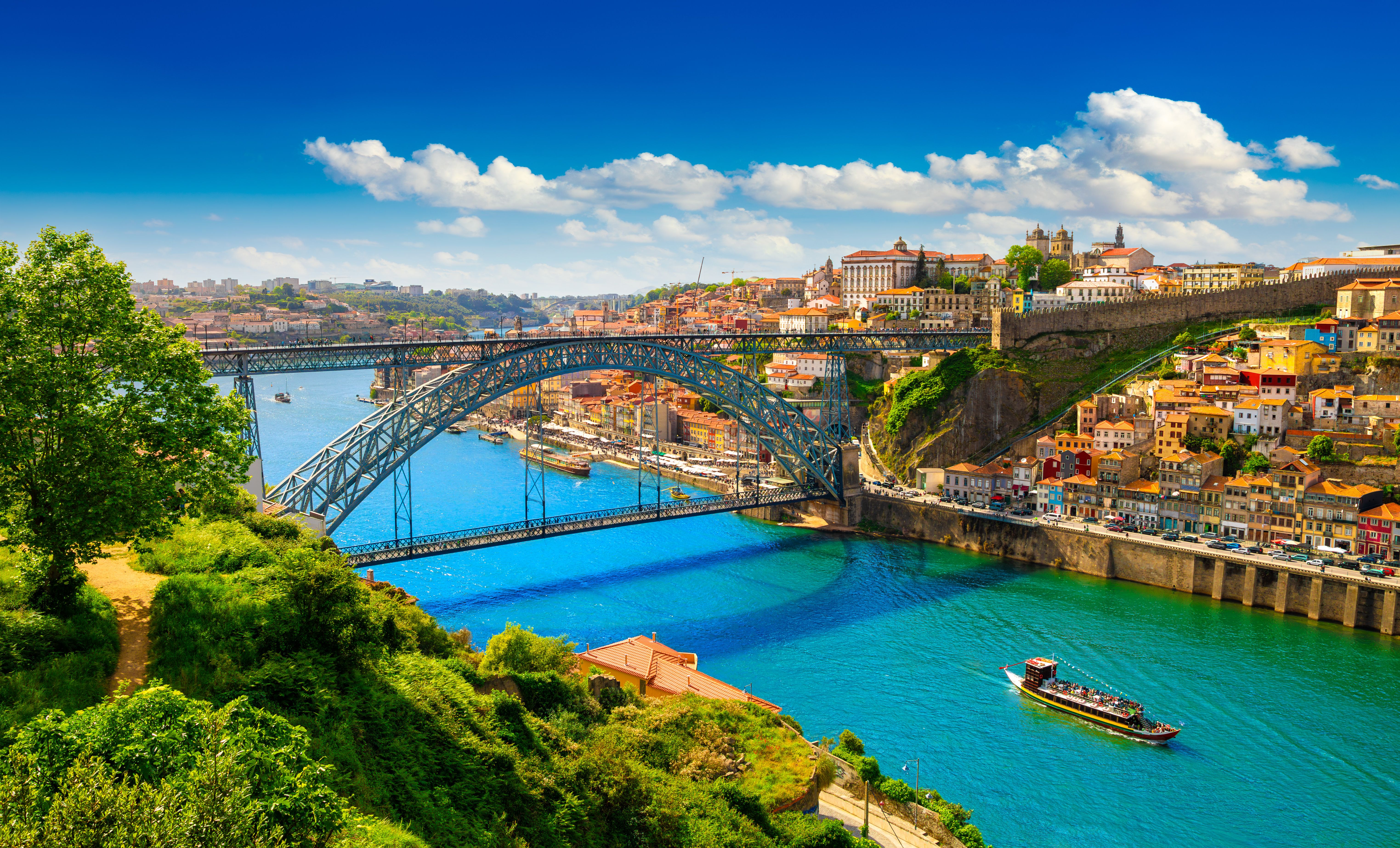
The city's rich history is not only confined to its buildings but also reflected in its traditions and local culture. The vibrant blend of past and present makes Porto a fascinating destination for history buffs and casual travelers alike. Let's delve into some of the unique aspects that make Porto's historical sites truly special.
The Iconic Ribeira District
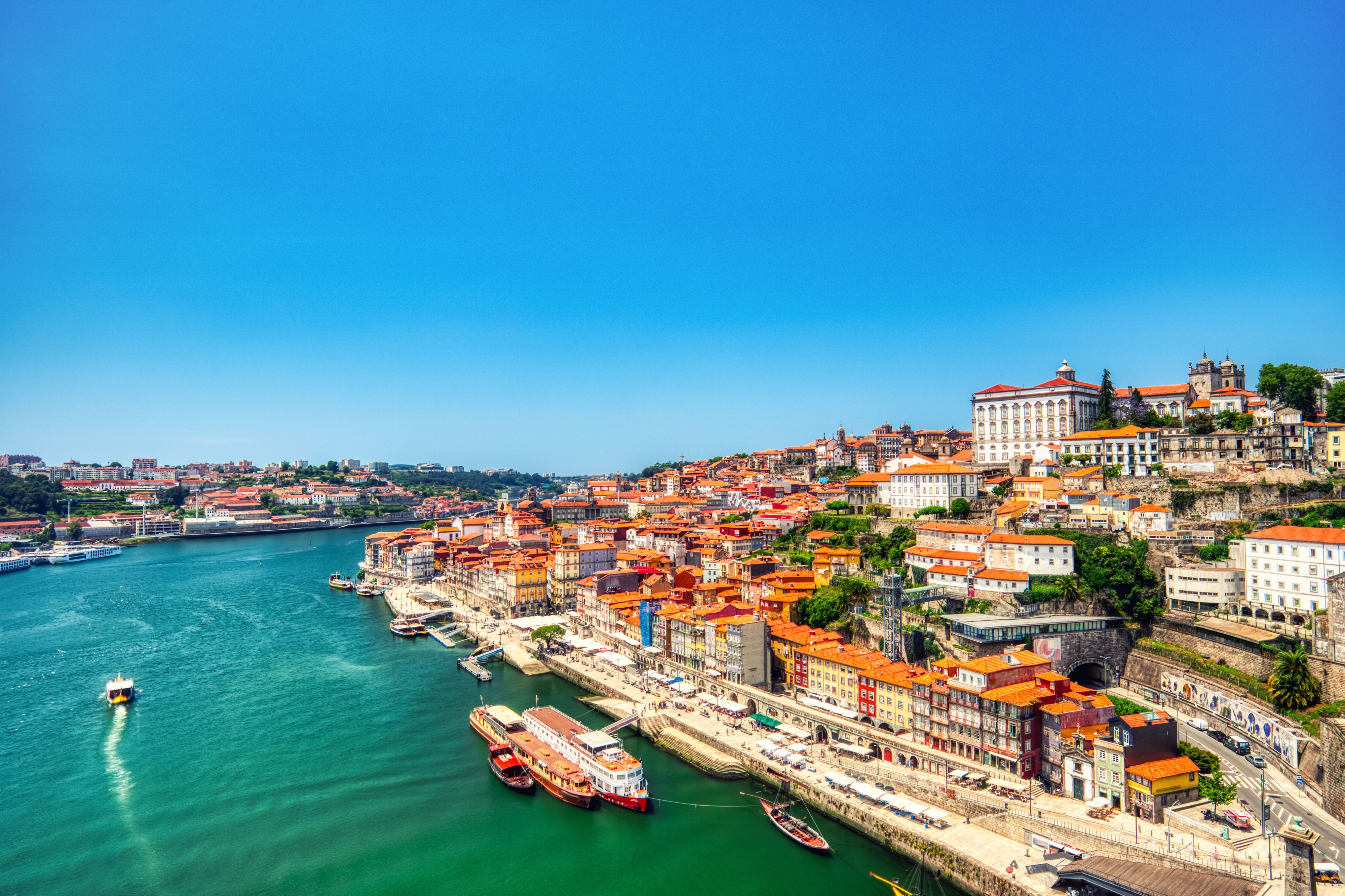
The Ribeira District, a UNESCO World Heritage site, is one of Porto's most picturesque areas. Overlooking the Douro River, its colorful facades and narrow streets are a testament to the city’s medieval past. As you stroll along the waterfront, you'll be transported back in time, experiencing the lively atmosphere that has been a part of Porto for centuries.
The Ribeira is also famous for its lively cafés and restaurants, where you can savor traditional Portuguese cuisine while enjoying views of the iconic Dom Luís I Bridge. This area beautifully captures the essence of Porto's historical and cultural significance.
Architectural Wonders: Clerigos Tower and Livraria Lello
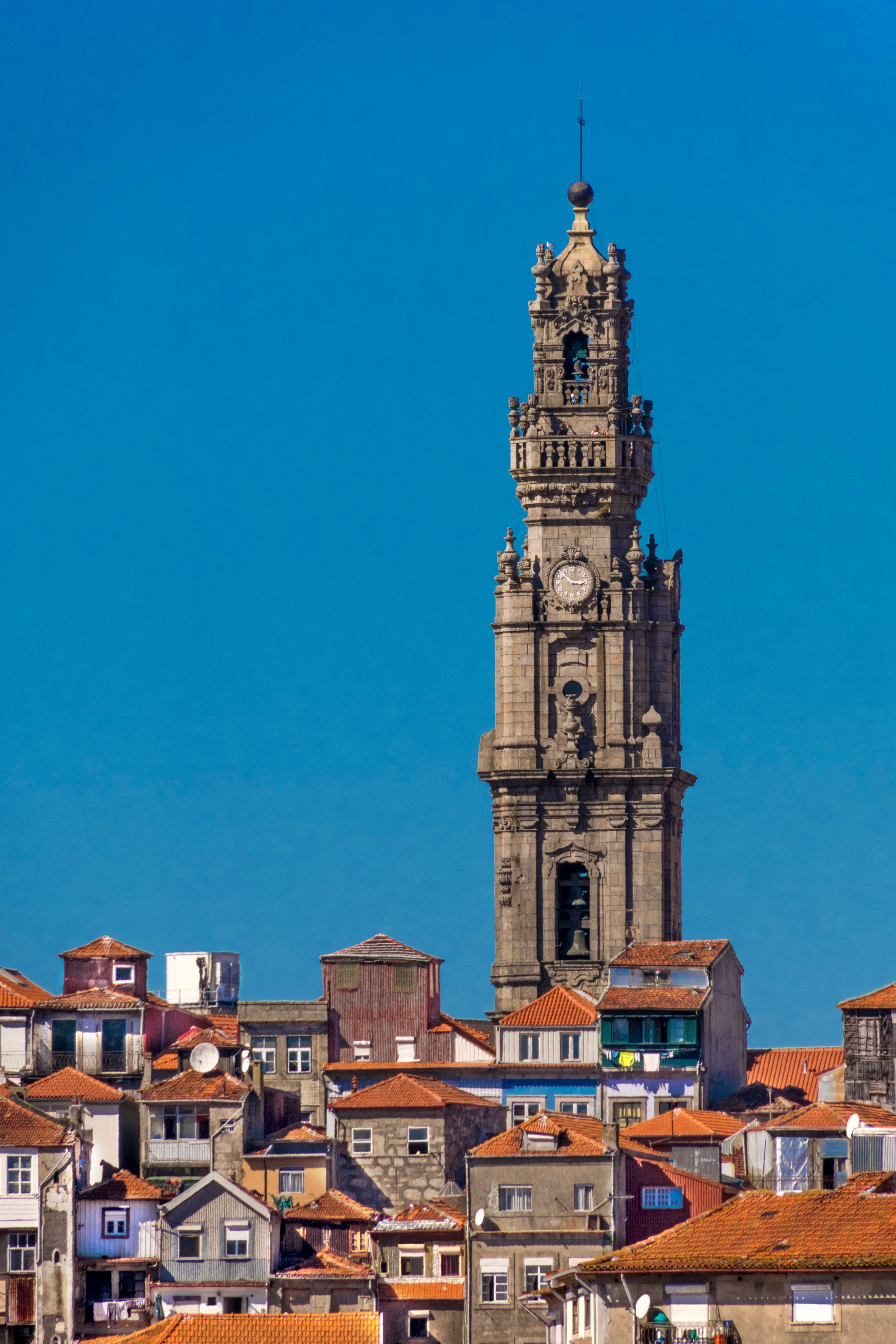
No visit to Porto would be complete without climbing the Clerigos Tower. Standing tall in the city center, this Baroque masterpiece offers panoramic views of Porto. Designed by Italian architect Nicolau Nasoni, the tower is a symbol of the city and a testament to its architectural prowess.
Just a short walk from the tower is the enchanting Livraria Lello, often cited as one of the most beautiful bookstores in the world. With its neo-Gothic design and stunning stained glass, it’s a haven for book lovers and architecture enthusiasts alike.
The Majestic Porto Cathedral
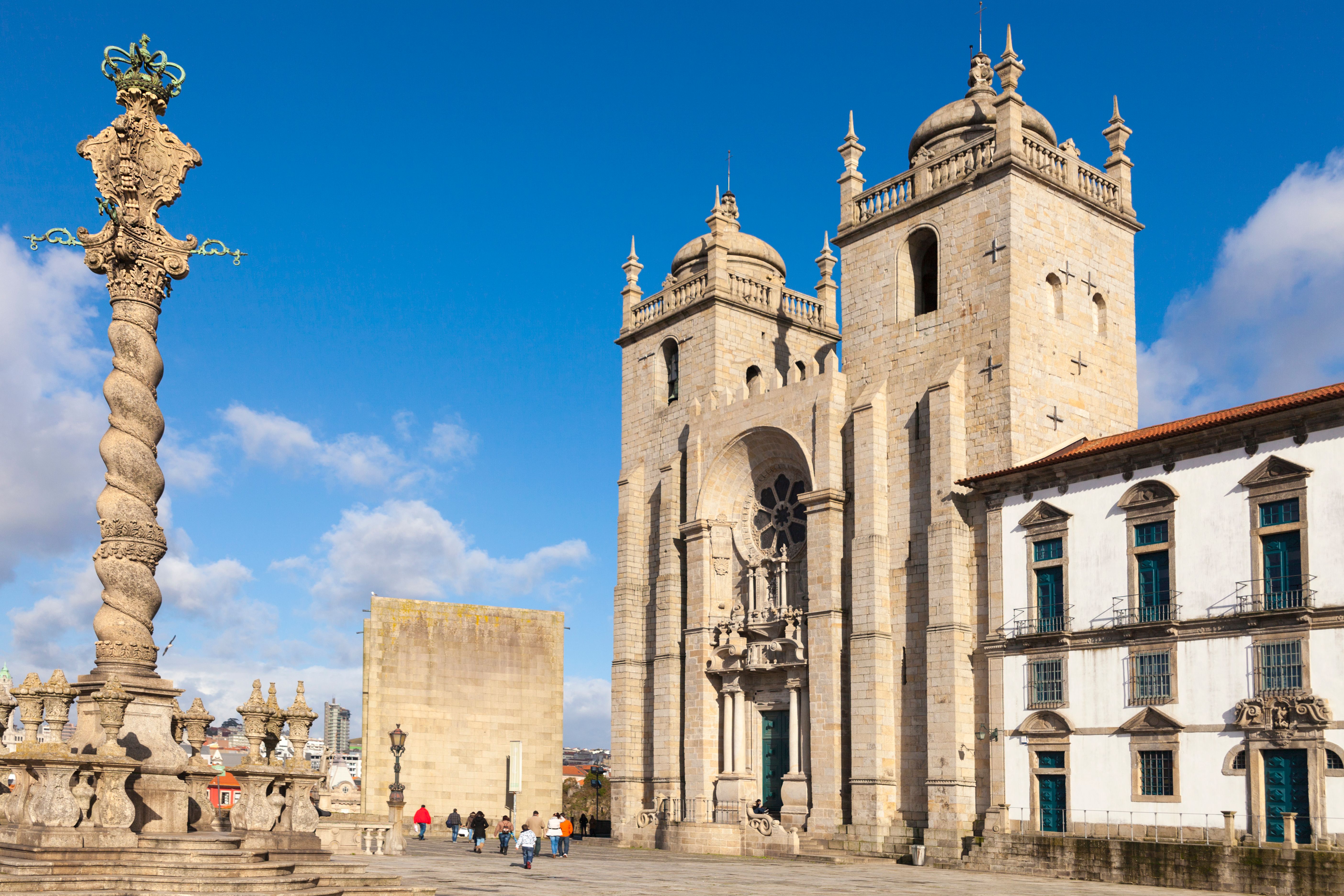
Perched atop the city, the Porto Cathedral is a must-see for visitors. This Romanesque structure, dating back to the 12th century, is one of the oldest monuments in Porto. Its fortress-like appearance and intricate rose window showcase a blend of architectural styles developed over centuries.
The cathedral's interior is equally captivating, with its beautiful cloisters and lavish chapels. Exploring this site offers insight into the spiritual and cultural history that has shaped Porto over the ages.
Palácio da Bolsa: A Glimpse into Porto's Economic History
The Palácio da Bolsa, or Stock Exchange Palace, is a striking example of 19th-century architecture. Built to impress potential European investors, the palace is a symbol of Porto's economic prosperity during that era. Its opulent interiors, particularly the exquisite Arab Room, are a testament to the city’s international connections and economic ambitions.
Guided tours of Palácio da Bolsa provide a fascinating look into Porto's economic history, offering insights into the trade and commerce that have fueled the city's growth over the centuries.
Conclusion
Porto's historical sites offer a unique blend of architectural beauty, cultural richness, and historical depth. Whether you're exploring the vibrant streets of Ribeira or marveling at the grandeur of the Clerigos Tower, each site tells a story of the city's past and its journey through time.
By visiting these iconic landmarks, you'll not only gain a deeper appreciation for Porto's history but also experience the charm and allure that make this city a truly unique destination.